In my last article we looked at research that showed diets containing mostly complex carbs had the same results in body composition as diets structured around simple carbs. I mentioned at the end of the article that I noticed a trend in the majority of the research that could in part explain why the data showed similar results. Today we will delve into that very reason. In fact, I can sum it up in just one word. Fiber.
Okay, end of article, that’s all you need to know! No? Okay, I’ll go into more detail. Yes if you were watching closely in that article you may have noticed they were always matching total fiber in the diets of the subjects. Whether the diet was structured mostly around simple carbs or complex carbs they always matched fiber and at the end of the study the results were the same. So why would it be that fiber would make that big of a difference?
 For one fiber is very thermogenic, in fact almost as thermogenic as protein. Fiber will help slow down any sugar or fast digesting carbs consumed. Dietary fiber is not absorbed the same as a typical carb as it’s fermented by the intestines to short chain fatty acids and then absorbed. Meaning it doesn’t affect blood sugar the same because you absorb the energy as short chain fatty acids instead of glucose. This is why sugary snacks are high on the glycemic index (GI) and fruits are often lower. (More on GI and it’s value, or lack thereof, later.) Sugary snacks have no fiber while fruit does. Fiber has much less metabolizable energy than do starchy carbs and the amount of energy extracted from fiber is less than other carbs. This is possibly because dietary fiber can decrease the transit time of food in the intestine and in turn result in less time for digestion and absorption. (1)
A nutrition review done by Howarth et al. (2) looked at published studies on the effects of dietary fiber on hunger, satiety, energy intake and body composition in healthy individuals. Taken straight from the review: “Under conditions of fixed energy intake, the majority of studies indicate that an increase in either soluble or insoluble fiber intake increases postmeal satiety and decreases subsequent hunger. When energy intake is ad libitum (at liberty) mean values for published studies indicate that consumption of an additional 14 g/day fiber for >2 days is associated with a 10% decrease in energy intake and body weight loss of 1.9 kg over 3.8 months.” Basically more fiber = less hunger and a greater amount of fat loss.
 While sugar may not be the best thing in the world, it’s not necessarily the prime culprit in fat gain like we are led to believe by today’s media. It’s entirely possible it’s not necessarily the sugar that’s the problem, but the lack of fiber in a diet high in sugar that’s the real problem. At the end of the day, however, the real problem is people are eating more calories than they are burning on a consistent basis. But it’s certainly coming from many more sources than just sugar.
Now to come back to GI as promised. GI only really matters if you eat carbs without protein or fat, which is why low GI in that case is likely better for fat loss. Even then it’s likely because of the fiber most low GI foods have which helps slow down digestion. Personally I don’t find the glycemic index to have any real value in most situations. Especially considering most of the time people will be eating their carbs in a mixed meal which will almost completely blunt the GI response.
Of course just because fiber is helpful for a smaller net energy gain and a key component of a healthy diet, that doesn’t mean you can eat as much food as you want as long as you are eating a lot of fiber. It doesn’t matter what you eat, if you consume more calories than you burn you will gain weight. If you are eating a lot of fiber it will be more difficult to over-consume due to the satiety that comes along with high fiber. But really, if you want to know how much you are eating you should be tracking your intake. Keep in mind too much fiber will likely lead to things like gastrointestinal issues and bloating. Like with pretty much anything, just because some of something is good. That doesn’t automatically mean a lot is GREAT.
 So what’s the main point of all of this you ask? Well besides the fact that science is cool and I enjoy learning how the body works, the point is you don’t need to be perfect to reach your goals. If you are eating 400 grams of carbs per day and you eat 50 grams of fiber, I don’t think having one snack high in sugar is going to hurt your results, just as the data would suggest. However if you are only eating 100 grams of carbs per day and you eat a sugary snack with 60 grams of carbs, well that probably doesn’t make a lot of sense.
Generally women should aim for about 20-40 grams of fiber per day while men should aim for 30-50 grams per day depending on your caloric needs based on your current goals. Besides the benefits to your weight and body composition diets high in dietary fiber appear to significantly reduce the risk of developing coronary heart disease, stroke, hypertension, diabetes, gastrointestinal diseases and high cholesterol as well as, well you know, staying regular… (3)
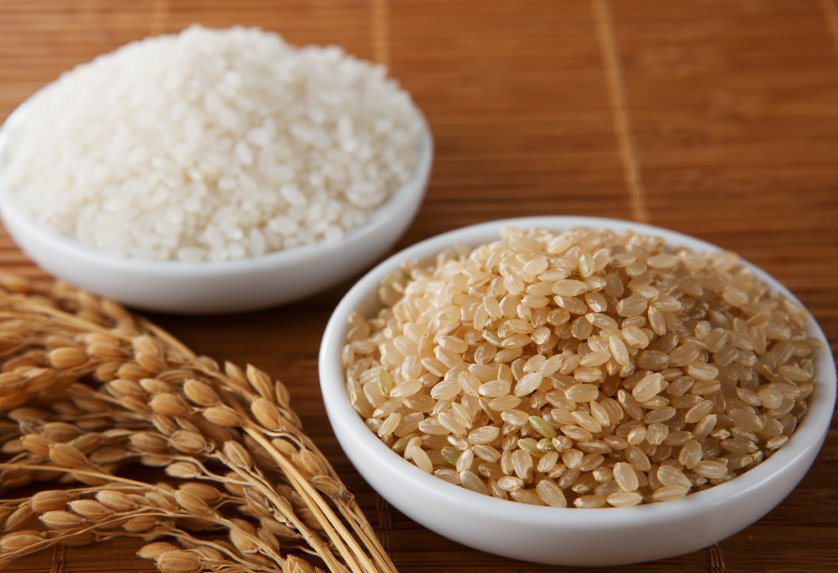
Feel free to have some white rice over brown rice or regular pasta over whole wheat pasta. The macronutrients in them are the same with the only difference being fiber. “But you just said that fiber is the important factor Colin!” You’re right I did and fiber is important. However, as long as you are getting enough fiber from other sources throughout the day, it won’t make a difference. Even without the fiber the difference is likely to be minimal if you are hitting your macronutrient needs, but you’re certainly better off getting plenty of fiber.
For more information be sure to subscribe to my YouTube channel.